Home

Thursday, January 17, 2019

https://sheeble.com/are-democrats-racist-definitive-guide/

https://sheeble.com/are-democrats-racist-definitive-guide/

https://libertytitans.com/are-democrats-racist-definitive-guide/


ARE THE DEMOCRATS RACIST: THE DEFINITIVE STORY

One of the biggest arguments against the Democratic Party is centered around racism, so we ask the question, are the Democrats racist?
Through-out the years, their members/affiliates have made blatant and also subtle racist remarks which the party does not deny (mostly). The interesting part, though, is that their main line of defense is a claim that doesn’t really have any grounds to it. The claim is that the Democratic and Republican parties have at some point switched stances in terms of racism.
So, after 45 hours of research, I’ve compiled the data and have arrived at a logical destination. Now I present it to you…


THE OBVIOUS RACIAL PREDICAMENTS

1857 DRED SCOTT VS. SANFORD

The Supreme Court made a ruling stating that slaves are not citizens and could not expect protection from the federal government or courts. (sos.mo.gov)
The ruling was 7-2, in which 7 Democrats decided the man could not be a citizen and 2 voted that he could.
Note: This required a bit more digging around because, for some reason, it’s not talked about in many places.
Chief Justice Roger B. Taney (Democrat) presented the majorities’ findings, which was concurred by Chief Justice Samuel Nelson (Democrat). Opposed to the findings was  Chief Justice John McLean (Republican) and Chief Justice Benjamin Robbins Curtis (Republican). This quarrel can be found here (Wikipedia).
Remaining Supreme Court Justices that voted against Scott: Chief Justice James Moore Wayne (Democrat), Chief Justice John Catron (Democrat), Chief Justice Peter Vivian Daniel (Democrat), Chief Justice Robert Cooper Grier (Democrat) and Chief Justice John Archibald Campbell (Democrat).
Dred Scott Decision

1860

The Democratic Party was split in two factions: Northern Democrats typically against slavery and Southern Democrats defended slavery.
The Southern Democrats became afraid that Lincoln (Republican), after winning the Presidential election, would eliminate slavery altogether.
Shortly after the southern states started to secede from the Union, 11 states in total seceded between 1860-1861. (ohiohistorycentral.org)
Slave Day Democrats

1861-1865 THE CIVIL WAR

Union (Republican) vs. Confederate (Democrat).
Lincoln’s (Republican) emancipation Proclamation (1863) declared that all persons held as slaves in rebellious land are, and henceforward shall be, free.
Only 6 days after the Civil War ended, John Wilkes Booth (Democrat) assassinated President Abraham Lincoln (Republican).

1865-1869 OPPOSED THE 13TH, 14TH AND 15TH AMENDMENTS. 

13TH AMENDMENT 1864-1865

“Neither slavery nor involuntary servitude, except as a punishment for crime whereof the party shall have been duly convicted, shall exist within the United States, or any place subject to their jurisdiction.”
1864 Democrats resisted this amendment by voting against it. The Senate results were 38- 6 with only 2 Democrats voting in favor of. The House vote failed also with a count of 93- 65, the vote was distinctively split by party- Republicans in favor of and Democrats against.
1865 Finally the Amendment passed with a House vote of 119- 56, again split down party lines.13th Amendment


14TH AMENDMENT 1866

“All persons born or naturalized in the United States and subject to the jurisdiction thereof, are citizens of the United States and of the State wherein they reside. No State shall make or enforce any law which shall abridge the privileges or immunities of citizens of the United States; nor shall any State deprive any person of life, liberty, or property, without due process of law; nor deny to any person within its jurisdiction the equal protection of the laws.”
1866 There were 70 proposals for this amendment in total. Finally, in June of 1866, the Senate passed the amendment 33-11 and the House followed a few days later 138-36. Votes were split down party lines again.
14th Amendment


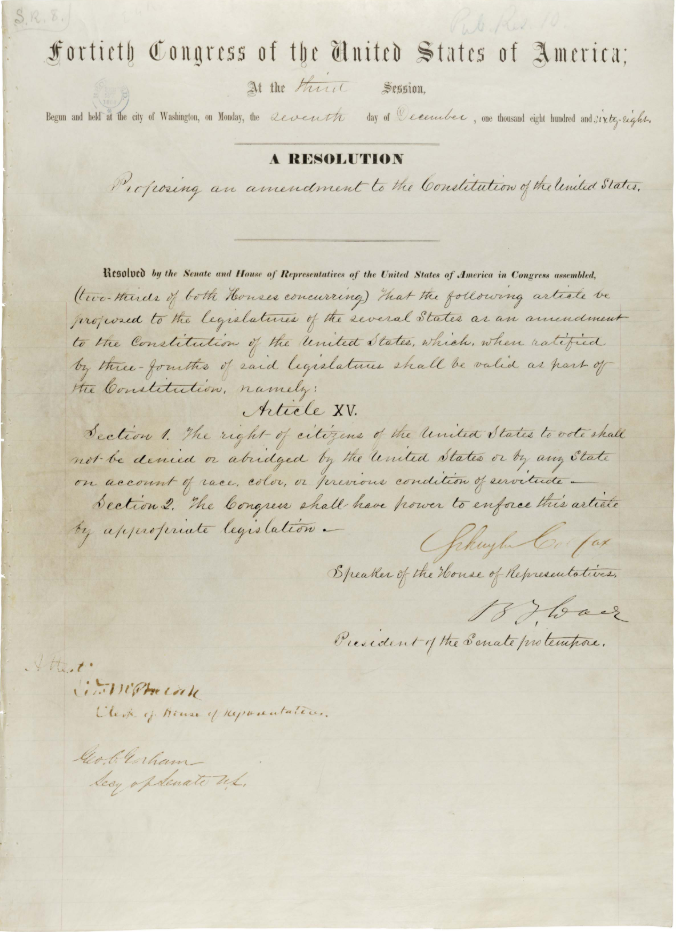
15TH AMENDMENT 1869

“The right of citizens of the United States to vote shall not be denied or abridged by the United States or by any State on account of race, color, or previous condition of servitude.”
1869 The House voted 144- 44 and again was almost perfectly split down party lines; Republicans for and Democrats against. The Senate vote was 39- 13, also split down party lines. 15th Amendment

Author’s note: This is a pivotal time in this group’s history where their system of slave ownership has been tried, attacked and overcome. Although they continued to resist and called the Republicans “radical” (sound familiar?), their ideology was no longer accepted and had been outlawed, a fact that they would not swallow.

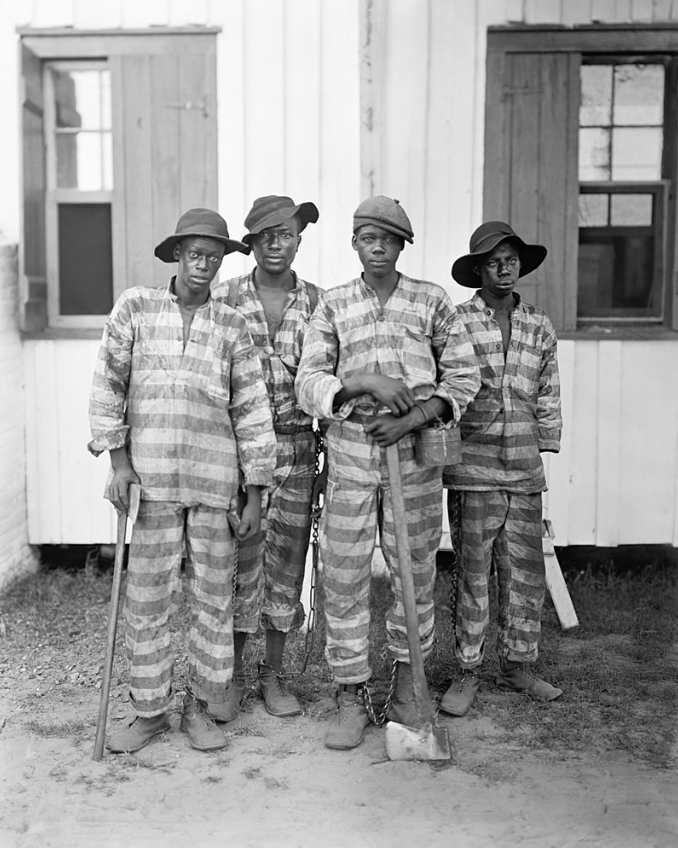
1865-1866 BLACK CODES

Black Codes were created by the Confederacy (Democrats) to keep newly freed slaves from having the luxuries of citizens; things like voting, land ownership, gun ownership and education.
Example from Mississippi:
“That all freedmen, free negroes and mulattoes in this State, over the age of eighteen years, found on the second Monday in January, 1866, or thereafter, without lawful employment or business, or found unlawfully assembling themselves together, either in the day or night time, and all white persons so assembling themselves with freedmen, free negroes or mulattoes, or usually associating with freedmen, free negroes or mulattoes, on terms of equality, or living in adultery or fornication with a freed woman, free negro or mulatto, shall be deemed vagrants, and on conviction thereof shall be fined in a sum not exceeding, in the case of a freedman, free negro, or mulatto, fifty dollars, and a white man two hundred dollars, and imprisoned, at the discretion of the court, the free negro not exceeding ten days, and the white man not exceeding six months.”
Black Codes

1866 KKK FOUNDED

General Nathan Bedford Forest (Democrat) founded the Ku Klux Klan as a resistance to “Radical” Republicans and Reconstruction of the South after the Civil War. The KKK was basically an “unofficial” force mobilized to enforce the Black Codes, terrorize Black Americans and Republican thinking people who would run for office.
The Klan would attempt to suppress the black vote with violence and other immoral tactics. They were even known to commit voter fraud if they felt the need.

1912- 1921 WOODROW WILSON

A Democrat with a long laundry list of racist actions, including Federal Segregation.
Wilson rounded up the black vote by telling them that he would be fair and help them advance their interests. Many black voters left the Republicans and voted for Wilson instead. Less than one month after his inauguration he pushed forward for federal segregation in the Department of Treasury and Post Office Department.
1913 Ultimately blacks had to use separate restrooms, lunchrooms and some were even “screened” off out of public sight if their job (clerks) entailed them to be around whites.
Eventually, in 1914, Wilson made it mandatory that applications have a photo attached to them in order to make the discrimination process easier.
1915 The White House watched the film Birth of a Nation, based on the 1905 book The Clansmen, a film that portrayed the KKK as honest and noble
Wilson KKK
1919 Wilson shoots down a Japanese Amendment that recognizes “equality of nations” and “equality of race” among the League of Nations.

1870’S- 1965 JIM CROW LAWS

Jim Crow laws essentially were a continuation of the Black Codes and segregation brought up by Democrats. In 1896, “Equal but Separate” was upheld in the Supreme Court and amounted to public racial segregation. This also discriminately included poor education, meager jobs/job choices and trespasses against social rights.
This went on until the Civil Rights Act of 1965.
Black Segregation

1860’S- 1920’S LYNCHINGS

Shortly after the Civil War and into the 1920’s, lynchings were used by the Democrats as a form of intimidation against mostly Black Americans, but also against other races. There was a supremacy factor implied in the lynchings that made the lynchers appear stronger and more powerful while making the victims appear “lesser.”
Between 4,000 and 4,700 people were lynched in this time frame, predominantly Black Americans. Roughly 75% of lynchings after the Civil War happened in the Democrat-controlled South.
1871 Enforcement Act, Ku Klux Klan Act: a bill that would punish Klan violence was voted on was and passed by House and Senate Republicans; not one Democrat voted in favor of this bill.

1894 President Grover Cleveland (Democrat) signed off on a bill that repealed most of the Enforcement Act.

1918 Dyer Anti-Lynching Bill: Introduced by Leonidas C. Dyer, a bill that would punish perpetrators of lynchings and mob violence. The bill passed the House 1922 but was ultimately filibustered by Senate Democrats.


Black Lynching

1960 CIVIL RIGHTS ACT

A bill that would protect voters at the polls and penalize anyone caught trying to interfere with someone’s right to vote.
The final tallies by party:
RepublicansHouseSenate
YEAS12329
NAYS120

DemocratsHouseSenate
YEAS16542
NAYS8218
Senate passed with 100% Republican approval and 78% Democrat disapproval.
Civil Rights Act 1960


1964 CIVIL RIGHTS ACT 

A bill that ends discrimination based on race, color, sex, religion and national origin. Voter rights were also included.
Included a Democrat-led filibuster that lasted for 60 days.
The final tallies by party:
RepublicansHouseSenate
YEAS136 (80%)27 (82%)
NAYS35 (20%)6 (18%)

DemocratsHouseSenate
YEAS153 (63%)46 (69%)
NAYS91 (37%)21 (31%)
Note: a majority of the NAY votes were Southern states from both parties.
Civil Rights 1965

1963- 1969 LYNDON JOHNSON 

The Democrat President who signed the Civil Rights Act in 1965 and the Great Society program in 1964- 1965. Sounds good, right? That is, until you read what he has been quoted as saying.
These quotes arguably show the true demeanor of the Democratic Party at the time of passing these bills. When you say:
“I’ll tell you what’s at the bottom of it. If you can convince the lowest white man he’s better than the best colored man, he won’t notice you’re picking his pocket. Hell, give him somebody to look down on, and he’ll empty his pockets for you.”
and then implement a program that would be supported predominantly by white tax-paying citizens while providing care, food and other things to poor folks, predominantly black citizens, people would have to be hypnotized not to ask questions.
To put the icing on the cake, Johnson was quoted as saying:
“I’ll have them niggers voting Democratic for two hundred years.”
Keep in mind, this is after his famous Great Society programs were implemented, programs that included housing, food stamps and other welfare supplements. Single-parent homes were rewarded with extra benefits, a measure that assisted in breaking down the black family.
Lyndon Johnson

Authors note: This is another pivotal time in this group’s history. They had fought long and hard to try and uphold their feelings of supremacy and way of life. It was becoming clearer to them that the battle was being lost as people were seeing through the words and into the true intent; they were waking up. At this point it is my belief, based on the facts and order of events as they unfolded that this group pivots from being blatantly against Black Americans to covertly against Black Americans. It seems to go from physical enslavement with chains to mental enslavement with dependency. 

1996

Remember when Hillary Clinton called inner-city Black Americans super predators and said they needed to be brought to heel?
Hillary Clinton

ROBERT BYRD, KLANSMAN AND SENATOR

Held political office from 1947- 2010 as a Democrat. In the 1940’s Byrd started a new sect of the Klan by recruiting roughly 150 friends.
In 1943, Byrd claimed to have left the KKK but a letter was found that he wrote to a Grand Wizard:
“The Klan is needed today as never before, and I am anxious to see its rebirth here in West Virginia and in every state in the nation.”  
Later on in his life he stated that mistakes were made but he continued to support programs that hurt black families.
Hillary Clinton (Democrat) called Byrd a “friend and mentor.” Hillary Praises Robert Byrd
Robert Byrd


2018

After Kanye West visited President Donald Trump (Republican) in the White House, many Democrats called him racial names like
“token negro”
and made statements like
“Kanye West is what happens when negroes don’t read.”
Most of the animosity towards West comes after he publicly supported Trump and stated that “Liberals can’t bully me.”
Token Negro Comments

This concludes my list of examples that were well-documented. Although there remain many more items that could be discussed, I feel that this list displays the Democratic Party’s origin and demeanor throughout American history.

THE NOT-SO-OBVIOUS RACIAL PREDICAMENTS

This section will touch on a subject that has been controversial ever since its origins: modern-day welfare. Although it is certainly handy for those who need it, it can be morally deadening for those who continually receive it but don’t actually need it.
I consider this subject to be a “not-so-obvious predicament” just because of the sentiment it has acquired by sympathizers and the persuasiveness of its pushers throughout the years.


SLEIGHT OF HAND

Let’s dive right in to the main attraction, President Lyndon Johnson.
Lyndon Johnson, a known racist, signed off on the Anti-Poverty laws in 1964-65. These laws included programs of many kinds, including: Job Corps, Model Cities Program, Food Stamp Act, etc.
He was also quoted saying:
“I’ll tell you what’s at the bottom of it,” he said. “If you can convince the lowest white man he’s better than the best colored man, he won’t notice you’re picking his pocket. Hell, give him somebody to look down on, and he’ll empty his pockets for you.”
That’s quite the odd outlook for a sincerely motivated person, especially when you put that in conjunction with this quote, also from Johnson:
“I’ll have them niggers voting Democratic for two hundred years.”
With these two quotes, you have a clearer picture of his outlook, although his racist agenda is already known.
Some will argue that the context of the first quote is in regard to another situation that he had seen earlier. This may be true, but he has provided us with an opportunity to see inside his head; we now know that he understands the psychology of manipulation and, in conjunction with other known actions and other statements, he will use it.
In 1967, the Government did some analysis in regard to the programs and found that only 50,000 people out of 7.3 million (less than 1%) on welfare were capable of getting off of the assistance and returning to work.
With this new information, we had empirical evidence of the program’s failure to bring the poor out of poverty. At this point, the clear solution was to either scrap the deal or use the new data to start from scratch and try something else. This did not happen, but why?


THE INCONCEIVABLE TRUTH

Next, let’s look at some statistics to see how Black and White American families held up to these programs.
(We are using the years between the 1950’s and 1980’s because data is readily available. For some reason, later years compiled the data differently so we would not be able to compare apples to apples)

ILLEGITIMATE BIRTHS AND MARRIED HOUSEHOLDS

Illegitimate births/Births out of wedlock totals:
WhitesBlacks
19501.75%17.96%
19551.86%20.24%
19602.29%21.58%
1965 (Anti-poverty)3.96%26.32%
19705.66%34.93%
19757.30%44.17%
198011.04%48.45%

Percentage of Families Run by Married Couples:
WhitesBlacks
195788.4%74.7%
196088.7%73.6%
1965 (Anti-poverty)88.6%73.1%
197088.7%69.6%
197586.9%63.9%
198085.6%59.3%

PEOPLE LIVING IN HOUSEHOLDS WITH A WOMAN AS HEAD OF THE HOUSEHOLD BY INCOME

Poor (incomes below poverty line):
WhitesBlacks
196017.71%27.68%
1965 (Anti-poverty)22.11%34.84%
197028.23%53.40%
197533.17%61.07%
198033.87%64.61%

Low Income (income from 100-125 % above poverty line):
WhitesBlacks
19607.63%11.60%
1965 (Anti-poverty)10.26%16.17%
197015.41%27%
197517.20%38.45%
198018.73%43.47%

Middle and Upper Income (income 125% of the poverty line and above):
WhitesBlacks
19605.01%10.92%
1965 (Anti-poverty)4.98%11.93%
19705.84%16.79%
19756.75%18.51%
19807.78%21.01%

OVERALL HOMICIDE, ROBBERY AND BURGLARY RATES

Homicide (per 100,000 people):
WhitesBlacks
19603.542.4
1965 (Anti-poverty)3.441.4
19704.965
19756.354.7
19807.248.3

Robbery (per 100,000 people):
WhitesBlacks
196084754
1965 (Anti-poverty)81843
19701011419
19751471325
19801591441

Burglaries (per 100,000 people):
WhitesBlacks
19605451969
1965 (Anti-poverty)5772293
19707132741
197510392692
19809052485
This data was collected from Charlie Murray’s book “Losing Ground,” (we’re not affiliated). His sources consist of official government outlets like the FBI and Vital Statistics of the United States.
Special note: these statistics have never been disputed.

We can see that most of the moral breakdown started to occur shortly after 1965 when the Anti-Poverty laws were passed.
The breakdown of the families and crime rates went up almost right on cue.
It seems pretty obvious that the negative effect of these anti-poverty laws was pretty harsh on the American families, especially black families.
This really makes one wonder why these laws were never revoked.
Author’s Note: An extremely important note to make at this point is in regard to the belief of “white privilege.” It would appear that if this concept is true in a systematic sense, it’s simply because of these laws, although, I wouldn’t label “white privilege” a cause because white families also suffered from this legislation.


PSYCHOLOGICAL MISDIRECTION

Lastly, there is a perceived notion, a baseless argument, that if you oppose any type of welfare that you are instantly racist.
Defamation attacks like this hardly prove any argument, but they are more effective at ending a debate while still feeling a false sense of accomplishment.
What needs to be realized is, like Thomas Sowell points out:
“If you have always believed that everyone should play by the same rules and be judged by the same standards, that would have gotten you labeled a radical 60 years ago, a liberal 30 years ago and a racist today.”
In other words, the war on poverty, which forces able-bodied workers to pay extra taxes on their hard-earned money that go towards unable bodied non-workers (nothing wrong here) and able-bodied non-workers, is actually a fairly new concept to America.
The “welfare” and other forms of assistance have always been through the community: families, friends, relatives, churches and so on.
Consideration for this being a government-provided service was not brought up simply because it was common knowledge that the government should not be intimately involved with families.
In the beginning of the anti-poverty programs, the notion was “a hand, not a handout.” This is considered acceptable by most.
But these programs do not actually lift the poor out of poverty, and there is empirical evidence to support that claim, which means there is no real war on poverty.
By tax-paying citizens giving money to a program that essentially does not help to create a level playing field, we are literally giving out free money.
In the process, we are helping our government to trap a group of citizens that will become dependent on this assistance.
Being against this concept does not make one racist; in fact, it could be used in consideration for determining one’s sanity.

“100 years of ill-treatment, segregation, out-casting and abuse hurts the souls and self-value of a people. Add on top of that a set of “stacked laws” that restrained education and good jobs, no wonder they are in poverty. The solution? Treat them like the humans that they are and let their souls heal, they will rise back in kind. Do not recklessly give them materialistic sustenance that further cripples their being. Let them be, let them be free. And they will prevail, just like every other creation of God, of course, when not under constant duress.” ~The Sheebler

BLACK LEADERS THAT HAVE SPOKEN UP

Throughout the years black leaders have stood up and illustrated their distaste for the Democratic Party. Maybe you’ve heard of them:

U. S. Rep. Richard Cain (South Carolina):
“The bad blood of the South comes because the Negroes are Republicans. If they would only cease to be Republicans and vote the straight-out Democratic ticket there would be no trouble. Then the bad blood would sink entirely out of sight.”

U. S. Rep. John Roy Lynch (Mississippi) agreed:
“More colored than white men are thus persecuted simply because they constitute in larger numbers the opposition to the Democratic Party.”
Why did lynchings go unpunished in so many communities?  U. S. Representative Joseph Hayne Rainey, the first African American elected to the House, explained the reason during the passage of the 1871 Civil Rights bill to punish Klan violence:
“When we call to mind the fact that this [Klan] persecution is waged against men for the simple reason that they dare vote with the [Republican] Party, . . . [t]he question is sometimes asked, ‘Why do not the courts of law afford redress?’ . . . We answer, that the courts are in many instances under the control of those [Democrats] who are wholly inimical to the impartial administration of law and equity. What benefit would result from appeal to tribunals [courts] whose officers are secretly in sympathy with the very evil against which we are striving? . . . I will say that in the State of South Carolina, there is no disturbance of an alarming character in any one of the counties in which the Republicans have a majority. The troubles are usually in those sections in which the Democrats have [control]. . . . I say . . . to the entire membership of the Democratic Party, that upon your hands rests the blood of the loyal men of the South. Disclaim it as you will; the stain is there to prove your criminality before God and the world in the day of retribution which will surely come.”

Malcolm X:
“The Negro revolution is controlled by foxy white liberals, by the Government itself. But the Black Revolution is controlled only by God.”

Mason Weaver (Former Black Panther):
“They (Democrats) control every inner city school system, every inner city police, every inner city jail, but there’s nothing but drugs and misery.” “They (Democrats) have presided over the destruction of Black people, they should be ashamed of themselves. I don’t understand how any black person can be a Democrat.” 

Ward Connerly:
“If I have learned one thing from life, it is that race is the engine that drives the political Left. When all else fails, that segment of America goes to the default position of using race to achieve its objectives. In the courtrooms, on college campuses, and, most especially, in our politics, race is a central theme. Where it does not naturally rise to the surface, there are those who will manufacture and amplify it.”

Star Parker: 
“When caring for your neighbor becomes a compulsory obligation imposed by government instead of voluntary, charity turns to confiscation and freedom to achieve to involuntary servitude. To liberals, compassion seems to be defined by how many people are dependent on the government; to conservatives, it’s defined by how many people no longer need help. One promotes dependence, the other freedom, responsibility and achievement.”

Larry Elder:
“Good motives aside, white condescension does more damage than good. White condescension says to a black child, ‘The rules used by other ethnic groups don’t apply to you. Forget about work hard, get an education, possess good values. No, for you, we’ll alter the rules by lowering the standards and expecting less.’ Expect less, get less.”

J.C. Watts:
“They said that I had sold out and (am an) Uncle Tom. And I said well, they deserve to have that view. But I have my thoughts. And I think they’re race-hustling poverty pimps.” 

Angela McGlowan:
“It’s often said that the Democrats fight ‘for the little guy.’ That’s true: liberals fight to make sure the little guy stays little! Think about it. What if all the little guys were to prosper and become big guys? Then what? Who would liberals pretend to fight for? If the bamboozlers fight for anything, it’s to ensure that the little guy stays angry at those nasty conservatives who are holding him down.”

Thomas Sowell:
“The black family survived centuries of slavery and generations of Jim Crow, but it has disintegrated in the wake of the liberals’ expansion of the welfare state.”

Allen West: 
“The Democratic appetite for ever-increasing redistributionary handouts is in fact the most insidious form of slavery remaining in the world today.”

Justice Clarence Thomas:
“If I were a black liberal, I would be hailed, I guess. But I’m not. I mean, I think for myself. I want to make my own decisions.”

Candace Owens: 
“The reason that we’re seeing so many people flee the Left – I like to call them liberal refugees, like myself – is because they do not allow you to think freely. If you agree with them 95 percent and disagree on 5 percent, you are essentially excommunicated. You’re not allowed to be a liberal anymore. You’re not allowed to be a Democrat anymore.”

REPUBLICANS ON THE RIGHT SIDE OF HISTORY

This section will layout events brought on by the Republicans through-out the years.
Slavery, black codes, KKK violence, lynching, civil rights, Amendments 13-14-15; all things that Republicans voted for (a majority of them) were with the sole fundamental that blacks were Americans too.

CREATION OF THE REPUBLICAN PARTY

In 1854 the Republican Party formed to fight an Act that would dissolve the Missouri Compromise, which in turn would leave the fate of slaves/freemen at the hands of the popular vote per territory.

REPUBLICAN HISTORY WITH RACISM 

  • 1863 Emancipation Proclamation- Changed federal status of slaves to freedmen
  • 1862 Confiscation Act of 1862- Allowed for confiscation of slave property
  • 1864 Republicans vote for Black Americans in the US Army to receive equal pay
  • 1864 Republicans vote to repeal Fugitive Slave Act
  • 1865 The 13th Amendment is passed with 37% Democratic Party support
  • 1865 Republicans establish Freedmen’s Borough- Provides provisions, clothing and temporary shelter to freedman and their families
  • 1866 Republicans pass Civil Rights Act of 1866 – Defined citizenship and protected all citizens equally under the law
  • 1866 Republican Thaddeus Stevens proposed providing every slave with 40 acres and a mule
  • 1866 The 14th Amendment is passed with 0% Democratic Party support
  • 1868 Republicans begin to impeach Democrat President Andrew Johnson: he is known for saying “This country is for white men. And by God as long as I’m president, it shall be a government of white men.”
  • 1868 Republicans debut two Black American politicians – James Harris and Pinckney Pinchback
  • 1869 Republican John Campbell signs first law allowing women to vote and hold public office
  • 1870 The 15th Amendment passes with only 3% Democratic Party support
  • 1870 Hiram Rhodes Revels – First Black Senator, also Republican
  • 1870 Department of Justice is created by Republicans to protect Black Americans against Southern Democrats
  • 1871 Republicans pass the Enforcement Act (Ku Klux Klan Act) which would punish Klan violence
  • 1875 First Civil Rights Act is passed, gives Black Americans equal treatment to public commodities and jury duty. Receives 0% Democrat support
  • 1878 Republican Aaron Sargent introduces the Susan B. Anthony Amendment, which is basically equal rights for women. Democrats defeated the bill 4 times until 1919, when Republicans had the vote power to pass it
  • 1890 Republican Justin Morrill creates legislation that allows Black American to be eligible for land-grant colleges
  • 1896 Republican Justice John Marshall Harlan declares, “Our Constitution is color-blind, and neither knows nor tolerates classes among citizens.”
  • 1898 Republican Theodore Roosevelt outlaws segregation in New York public schools
  • 1901 Booker T. Washington is invited by Republican President Theodore Roosevelt to eat dinner at the White House; Democrats were outraged
  • 1909 The NAACP is born. Republicans Ida Wells and Mary Terrell are the creators
  •  1920 Republicans pass 19th Amendment, allowing women to vote
  • 1920 Americas first anti-lynching law introduced by Black Republican Nellie Francis
  • 1922 Republican Leonidas Dyer writes bill that makes lynching a federal crime; Democrats lead with a filibuster. 86% of the final no vote was Democrat
  • 1924 Republicans pass bill giving American citizenship to all Native Americans
  • 1929 Republican First Lady Lou Hoover invites wife Representative Oscar De Priest, a Black American, to drink tea at the White House; Democrats protested all over
  • 1942 Prominent Black Republicans call on the southern Democrats to break up the all-white party. The document is called the Durham Manifesto
  • 1944 The Supreme Court shoots down Texas Democrats “white primaries”
  • 1953 Republican Earl Warren wrote the landmark decision on Brown vs Board of Education, essentially making the racial segregation of public schools unconstitutional
  • 1955 Republican President Dwight Eisenhower bans racial segregation on interstate buses
  • 1956 Republicans rule in favor of Rosa Parks
  • 1956 Republican Richard Nixon states, “American boys and girls shall sit, side by side, at any school – public or private – with no regard paid to the color of their skin. Segregation, discrimination, and prejudice have no place in America”
  • 1956 Martin Luther King Jr. votes for Republican Dwight Eisenhower as President
  • 1957 Republican President Dwight Eisenhower passes Civil Rights Act of 1957, essentially strengthening the government’s support for racial equality
  • 1957  Republican President Dwight Eisenhower sends the 82nd Airborne division to Little Rock, Arkansas to enforce public school integration against Democrat Governor
  • 1960 Republican bill: Civil Rights Act of 1960 passes
  • 1963 Republicans call out Democrat sheriff in Birmingham, Alabama for arresting roughly 2,000 Black Americans while marching for their civil rights of integrated public schooling
  • 1964 Civil Rights Act of 1964 finally passes after Democrat filibustering
  • 1965 Republican judge Frank Johnson overrules Democrat Governor George Wallace by allowing Dr. Martin Luther King Jr’s march from Selma, AL to Montgomery, AL
  • 1965 Voting Rights Act of 1965 passes with more Republican support Democrat
  • 1982 Voting Rights Act receives a 25-year extension from Republican President Ronald Reagan
  • 1991 Republican President George Bush signs Civil Rights Act of 1991, which will strengthen federal civil rights legislation
  • 1996 Bill created by Republican Representative Susan Molinari to prohibit racial discrimination in adoptions, part of Republicans’ Contract With America, becomes law
What we see here is Republicans introducing pretty much all of the bills and Amendments that would eventually lead up to the Civil Rights acts. Republicans essentially paved the way for Black Americans and women to be equals while fighting the Democrats every step of the way.

CONCLUSION

Democrats have roughly 150 years of history of defiantly and aggressively attacking the rights of Black Americans, along with suppressing the rights of women.
Then we are to believe that they fundamentally changed all of a sudden?
Not to mention this pendulum shift was to occur under the authority of an outwardly racist President like Lyndon Johnson?
I believe the facts speak for themselves and that we see more of a “switch in strategy” instead of an actual switch in perspectives.
Make sure that you share this article to get the word out.
Did I miss something or do you have something to add? Let me know your thoughts in the comments.

Saturday, October 27, 2018

[QUOTE=...]You guys crack me up for the 8700th time.  No one SAID he was a Trumper, what I stated was that the climate of division and hate and craziness that Trump has created is absolutely without doubt a factor going forward, it's with us every single day.  This won't be the last time that a nutjob like this is emboldened or agitated to perform an act like this.   When we have a President that celebrates division and violence, why would anyone be surprised?[/QUOTE]

Yous guys crack me up with blaming Trump for creating violence.

All Trump ever created on the Apprentice was business, philanthropy, etc.

So what has Trump been dealt since his announcement to a little career change?

Let's take a peek, shall we?

Trump's targets
Trump's playbook
Trump's rhetoric
Trump's violence rhetoric
Trump's verbal bombs
Blaming Bernie for Scalise murder attempt
Mental patient
Create a crowd and follow them in to grocery stores gas stations restaurants malls
You're not wanted anywhere anymore!
You cannot be civil with "the right"
We kick em
Of course I want to punch him in the face
Yes,I have thought an awful lot about blowing up the White House... directly responsible for the MagaBomber btw
When was the last time an actor assassinated a President?
Treason
When do we see a shadow government ... oppose Trump?  Gee! When don't you?
There's a sign hung up outside the White House, "If you're not White, you're not especially welcome." Projection your Honor!

October 20, 2018 angry leftists harass McConnell and wife at restaurant.
October 19, New York man charged with threatening to senators over Kavanaugh support.
 October 16, 2018: Republican Candidate punched in Minnesota restaurant.
 October 16, 2018: Republican state rep assaulted in Minnesota.
 October 12, 2018: Antifa smash windows, deface doors of Metropolitan Republican club in Manhattan.
October 11, 2018: a truck with "Trump 2020" bumper stickers set on fire.
October 10, 2018: Susan Rice's Republican son assaulted at Pro-Kavanaugh event.
October 10, 2018: Eric Holder "Kick em"
October 9: Hillary Clinton "cannot be civil" with them
October 8: Antifa takes over Portland harasses an old man for disobeying them.
October 7: Senator Cory Gardner said wife received beheading video over Kavanaugh vote.
October 4th: Republican Senators hit with death threats amidst Kavanaugh fight
October 3rd: ricin and threatening letter sent to Trump
October 2nd: 2 hospitalized after exposure to powdery substance at Cruz's Houston campaign office Wow, I didn't even hear about this one!
October 2 : GOP Congressman Andy Harris (R-MD) assaulted by protesters
October 2: leftist protestor kicks pro-life woman
October 1: Senator Mitch McConnell badgered at airport by anti-Kavanaugh activists
September 27: Republican Senators doxxed by Democrat Congressional intern
September 25: Senator Ted Cruz and wife harassed out of DC restaurant.
September 20: Brett Kavanaugh and family receive death threats
September 11: DC police investigate threat to commit mass shooting at MAGA event in Trump international hotel
September 6: arsonist hit Albany County GOP headquarters in Laramie Wyoming.
August 2: man arrested for threatening Representative Steve Scalise.
July 26: Feyette County Ky -GOP headquarters vandalized
July 25: Trump's Hollywood walk of fame Star destroyed, again.
July 24: Senator Cory Booker says Kavanaugh Supporters are complicit in evil.
July 17: gory Trump throat-cutting docorates Portland gallery
July 10: protesters arrested, accused of assaulting officer at Portland Ice office.
July 3: Nebraska GOP office vandalized
July 2: Cher accuses Ice of Gestapo Tactics
July 2: man threatened to kill Senator Rand Paul and his family
June 29: media falsely blamed Trump for murder of 5 Journalists in Maryland.
June 29: actor Billy Eichner calls on Senator McConnell to be harassed.
June 28: Representative Luis Gutierrez calls on "angry" Latinos to oust Trump.
June 26: transportation Secretary Elaine Chao harassed at home by protesters
June 25: Senator Cory Booker calls for Trump officials to be confronted over immigration policies
June 24: Representative Maxine Waters publicly calls on mobs to "turn on" Trump officials
June 23: Florida AG Pam Bondi harassed at a movie theater.
June 22: Sarah Sanders and her family booted out of Restaurant by left-wing owner
June 22 : member of Canadian media threatens Don Jr's 4 year old daughter!!!
June 20: actor Peter Fonda calls for a mob to kidnap President Trump's 11 year old son!!!
June 19: Kirstjen Nielsen harassed out of Restaurant.
April 6: during Ellen appearance Senator Camala Harris "jokes" about killing Trump Pence Sessions on Elevator.
March 19: democrat congressman hints at armed rebellion against Trump.
March 16: capitol police arrest democrat operative over assault of Trump official.
February 7: man arrested for sending white powder to Donald Trump Jr.
November 272017: singer Morrissey: I would kill Trump "for the safety of humanity". Oh the yummy irony.
August 18, 2017: democrat Missouri state senator calls for Trump to be "assassinated".
July 19, 2017: Rosie O'Donnell sparks outrage with Trump-killing game.
June 22, 2017: Ohio man charged with threatening GOP Congressman.

Monday, October 8, 2018

Trump accomplishments

Neil Gorsuch on the Supreme Court
Stock market reached an all-time high
Consumer confidence at 18-year high
More than 3.5 Million jobs created
Mortgage applications for new homes rise to a 7-year High
Unemployment rate at 18 year low
Signed the promoting women in entrepreneurship Act
Gutted obama-era regulations
Ended war on coal
Weekend. Frank regulations
Promoted buying and hiring American
Investment from major businesses ( Foxconn Toyota Ford and others)
Reduced illegal immigration
Border wall construction underway
Fighting back against Sanctuary cities
Created victims of immigration crime engagement office
Changed Rules of Engagement against Isis
Drafted plan to defeat Isis
Worked to reduce F35 cost
5 year lobbying ban
Sanctioned I ran over missile program
Introduce tax reform plan
Withdrew from the trans-pacific partnership
Removed the United States out of the Paris Accord
Created task force to reduce crime
Doj targeting MS-13
Signed an executive order to promote energy Independence and economic growth Signed executive order to protect police officers
Signed executive order to Target drug cartels
Signed executive order for Religious Freedom
Sending education back to the States
Fixing the Department of Veterans Affairs
Scotus upheld part of President Trump's temporary travel ban executive order Authorized the construction of the Keystone Pipeline
Created Commission on opioid addiction
Combating human trafficking
Rollback of Obama's Cuba policy
Food stamp use lowest level in 8 years
Reduced White House payroll
Donating presidential salary
Executive order on Obamacare subsidies
Would not certify the Iran nuclear deal
Successful trip to Asia
Sign trade deal with China
Designated North Korea a terrorist State
Isis lost virtually all of its territory
Recognize Jerusalem as Israel's Capital
Passage from tax reform Bill
Imposes steel and aluminum tariffs
Forced China tariff reduction
Signed FOSTA Bill targeting online sex trafficking
Responded to Syria's use of chemical weapons
17 States hit record low unemployment
Withdrew from Iran nuclear deal
Successful summer with Kim Jong on
USMC a trade deal with Canada and Mexico
Brett Kavanaugh on the Supreme Court
Sign 250 bills into law
Made 228 presidential proclamations
Signed 85 executive orders

Sunday, October 7, 2018

Russian collusion

Rod Rosenstein has a little closed door meeting this upcoming week due to New York Times report.

James Baker, a cormer top FBI official, told investigators there is another source feeding info to the FBI ahead of probe into the Trump Campaign.

This is going to pop the lid on FBI-DOJ collusion.

Michael Sussman is the guy.

It's alleged that Sussman was feeding info via thumbdrive etc. directly to Baker, using him as a channel to the F.B.I. prior to any FISA warrant.

[url]https://youtu.be/yAh0-tLwl5c[/url]

This goes all the way back to Brennan. I bet he's leaving hickeys on his rocking chair seat about now.

Sally Yates. Isn't she special? Tried to pursue Logan Act charge on Trump staff while being perfectly fine with John Kerry. She'd better get accustomed to the color orange.

We will find that Comey lied when he said there was no coordination between Loretta Lynch and the FBI Investigation. There's also proof they narrowed the scope on the Clinton Investigation. Who? FBI? DOJ? What difference does it make? That's the crux of the problem here. Worst case, Comey gets busted for lying to Congress. :)

My theory, Strzok and Page texts are devastating. But their just a couple of stupid lovebirds right?

The redacted hidden stuff is confirmation of wrongdoings directly from the hands of those FBI DOJ CIA etc. criminals.

Example, there is supposed to be an email from the DOJ on how to articulate how to exonerate Hillary Clinton. How? By narrowing the scope.

Who's raisins are immediately at stake? James Comey, John Brennan, Clapper, senior officials of the DOJ. :) Rosenstein? Jeffy? For what? Misrepresenting the FISA warrant.

Sidney Blumenthal, Cody Shearer, Hillary Clinton Campaign officials, get ready.

Here's what's up...

The AG Loretta Lynch, her deputy Sally Yates, the head of the National Security Division John Carlin, Bruce Ohr, and other senior officials of the DOJ, and lying attorneys violated the law, committed and covered up crimes of a presidential candidate, but "more than that, tried to frame an incoming President" with Russia Russia Russia.

Bill Priestap! Search that little name. E.W. Priestap. CounterIntelligence, I believe he is/was one above Peter Strzok. [url]https://m.youtube.com/watch?v=UYEDZ0V7iww[/url]

GPS and Crowdstrike, two contractors that our government may have allegedly colluded with to take down Republican presidential candidate and President Elect Donald J Trump, not for National Security, is a crime.

Good luck with that. We are on this thing now like a coon-hound on a rib bone.

[QUOTE=Grlzrl;53298782]Yep. See below.[/QUOTE]


[QUOTE=Grlzrl;53298769][url]https://thehill.com/hilltv/rising/409817-russia-collusion-bombshell-dnc-lawyers-met-with-fbi-on-dossier-before[/url][/QUOTE]


"Baker was interviewed by lawmakers behind closed doors on Wednesday. Sources declined to divulge much about his testimony, other than to say it confirmed other evidence about the contact between the Perkins Coie law firm and the FBI."

People! These are all undisputed facts. This happened already. The things that are blacked out aka redacted on these documents are the names of the contractors and the FBI DOJ etc. officials.

The blacked out information will come out soon.

Does this not concern you?!?

Mike Rogers of the National Security agency is a hero here. His technician brought to his attention a little 702 trouble. The crackhead FBI was sharing info not with foreign agents, but DNC private contractors.

Naughty naughty.

Admiral Mike Rogers realizes the FISC had been lied to. The FBI discovered Rogers started an audit, so to get ahead of him, they go to the fisa court first. This is all in early 2016 mind you. Then fisa puts out a 90 page document none of us have probably even heard about yet. It's not even classified anymore.

So, as soon as NSA Rogers finds out Trump is the target, he goes to Trump in Trump Tower and warns him he's being spied on, this is November 17th, 2016.

So Trump moves out of Trump Tower along with his transition team to Bedminster New Jersey and accuses Obama of wiretapping him, then y'all laugh.

He who laughs last, yada. Yada. Yada.

This is where John Carlin comes into play. He quit in October of 2016 right after the FISA Court found out the government had broken the law.

Where'd you go Johnny?

[url]https://www.justice.gov/archives/nsd/staff-profile/former-assistant-attorney-general-john-p-carlin[/url]

Monday, October 1, 2018

Kavanaugh

OPINION
Eight big problems for Christine Blasey Ford’s story
By Paul Sperry

September 25, 2018 | 6:57pm


Getty Images
Christine Blasey Ford’s allegations against Brett Kavanaugh are serious. She is accusing him of violent attempted rape. “I thought he might inadvertently kill me. He was trying to attack me and remove my clothing,” she told The Washington Post, recounting the alleged incident at a high school party “one summer in the early 1980s.”

But her story is also growing less believable by the day. Here are eight reasons why it’s hardly “anti-woman” for senators to question her account at Thursday’s hearing:

1) For starters, Ford still can’t recall basic details of what she says was the most traumatic event in her life. Not where the “assault” took place — she’s not sure whose house it was, or even what street it was on. Nor when — she’s not even sure of the year, let alone the day and month.


Ford’s not certain how old she was or what grade she was in when she says an older student violently molested her. (But she doesn’t plead inebriation: She described having just “one beer” at the party.)

2) Ford concedes she told no one what happened to her at the time, not even her best friend or mother. That means she can rely on no contemporaneous witness to corroborate her story.

3) Worse, the four other people she identified as attending the party, including Kavanaugh, all deny knowledge of the gathering in question, including Leland Ingham Keyser, who she calls a “lifelong friend.”

Keyser’s lawyer told the Senate Judiciary Committee: “Simply put, Ms. Keyser does not know Mr. Kavanaugh and she has no recollection of ever being at a party or gathering where he was present, with or without Dr. Ford.”


The other two potential witnesses — Mark Judge and Patrick “P.J.” Smyth — also deny any recollection of attending such a party. The committee took their sworn statements “under penalty of perjury.” “These witnesses directly contradict Professor Ford’s allegations against Judge Kavanaugh,” Judiciary Committee Chairman Chuck Grassley advised Ford’s attorneys last week.

In her original letter to Sen. Dianne Feinstein, Ford claimed that Kavanaugh talked to Keyser and Smyth right after he assaulted her. Yet neither shares her memory.

This is, to say the least, highly problematic for her case. No witness corroborates any part of her story.

4) Her own immediate family doesn’t appear to be backing her up, either. Her mother, father and two siblings are all conspicuously absent from a letter of support released by a dozen relatives, mostly on her husband’s side of the family.


The letter attests to her honesty and integrity. “Why didn’t her parents and brothers sign the letter?” a congressional source familiar with the investigation wondered.

5) This summer, Ford tried to reach out to old friends from high school and college to jog her memory. They couldn’t help her. “I’ve been trying to forget this all my life, and now I’m supposed to remember every little detail,” Ford complained to one friend in July, according to an account in The San Jose Mercury News.

6) Yet she still pushed forward with her bombshell charge, contacting The Washington Post tip line and Democratic lawmakers, while hiring a Democratic activist lawyer. Ford is also a Democrat, as well as an anti-Trump marcher, raising questions about the motive and timing of the allegations along with their veracity.

7) Ford contends that notes her therapist took in 2012 corroborate her account. But they don’t mention Kavanaugh.

They also point up inconsistencies in her story. For instance, her shrink noted that Ford told her there were “four boys” in the bedroom, not two as she now says. The notes also indicate Ford said she was in her “late teens” when she was assaulted. But Ford now says she may have been only 15.

8) In another inconsistency, Ford told The Washington Post she was upset when Trump won in 2016, because Kavanaugh was mentioned as a Supreme Court pick. But Kavanaugh wasn’t added to Trump’s list of possibles until November 2017, a full year later.

On top of all that, Kavanaugh “unequivocally denied Dr. Ford’s allegations . . . under penalty of perjury” during a Sept. 17 interview with committee lawyers, Grassley said, adding he was “forthright and emphatic in his testimony” and “fully answered all questions.”

The sworn interview will no doubt be used to test the consistency and veracity of his public statements Thursday.

Yet Democrats have already tried and convicted Kavanaugh of sexual assault. Without hard evidence, without substantiation, some even go beyond Ford’s claims to call him an out-and-out “rapist,” “sexual predator,” even a “child predator.”

As a result, Kavanaugh and his family, “including his two young daughters, have faced serious death threats and vicious assaults,” Grassley said. “And they’re getting worse each day.”

Ford, who also has received threats, is by all accounts a respected scientific researcher in the field of psychology with an impressive pedigree. While that makes her credible, the same can’t be said for her story. Unless she can fill in the many holes, Kavanaugh still deserves the presumption of innocence.

Paul Sperry is a bestselling author.

Tuesday, September 4, 2018

Charlottesville

Originally posted at The Western Journal by Dinesh D’Souza.

You know the progressive media's Charlottesville narrative: "Hey, look at those racists in MAGA hats! This proves that, whatever the history of Democratic Party bigotry and racism today is in the Trump column. Bigotry now is on the right."

But this narrative is a lie. First of all, no one has ever conducted a valid, empirical survey of neo-Nazis or Ku Klux Klansmen to prove they voted for Trump. This is why the media needs visual images that seem to confirm an unproven thesis. In the aftermath of the initial Charlottesville, I was struck by a solitary white supremacist in a MAGA hat being interviewed by more than a dozen reporters. This one guy—otherwise culturally and politically impotent—was portrayed as visual proof that white nationalism is a malevolent Trump phenomenon.

In my new book, Death of a Nation, I examined the lives of the leading white nationalists in America today. Virtually without exception, they are on the left. Let’s start with Jason Kessler, organizer of last year’s Charlottesville rally. The Southern Poverty Law Center looked into his background and was astounded to discover that he had been an Obama supporter and active in the left-wing Occupy Wall Street movement.

What could be more interesting than to examine why an Obama supporter could become a white supremacist? Or how an Occupy activist transitioned into a defender of the white cause? Yet the progressive media went dead silent on this one. Only one local Charlottesville newspaper, The Daily Progress, bothered to dig into this, noting that Kessler’s previous tweets, his neighbors and several of his friends “attest that he held strong liberal convictions.”

Laura Kleiner is a Democratic activist who dated Kessler for several months in 2013. According to the article, "She said Kessler was very dedicated to his liberal principles, and that he was a strict vegetarian, abstained from alcohol and drugs, embraced friends of different ethnicities, and was an atheist." Kleiner added of Kessler, "He broke up with me and a lot of it was because I was not liberal enough. I am a very progressive Democrat, but he didn’t like that I’m a Christian."

I mentioned Kessler’s leftist background on social media and he lashed out angrily by releasing a video denouncing me. The video itself is rambling, incoherent and laced with obscenities. The most interesting thing about it is that Kessler attacks me as a rich, brown-skinned guy who only stands up for big business and special interests. In other words, notwithstanding his disavowal of my portrait of him, Kessler sounds just like the left-wing racist I made him out to be.

Keep reading my op-ed.

Thursday, June 14, 2018

IG Report table of contents

TABLE OF CONTENTS
CHAPTER ONE: INTRODUCTION...................................................................... 1
I. Background.......................................................................................... 1
II. Methodology ........................................................................................ 3
III. Analytical Construct .............................................................................. 5
IV. Structure of the Report.......................................................................... 6
CHAPTER TWO: APPLICABLE LAWS AND DEPARTMENT POLICIES ........................ 9
I. Policies and Laws Governing Criminal Investigations.................................. 9
A. Grand Jury Subpoenas................................................................ 10
B. Search Warrants and 2703(d) Orders ........................................... 10
C. Evidence Collection Related to Attorney-Client Relationships ........... 12
D. Use of Classified Evidence Before A Grand Jury.............................. 13
E. Immunity Agreements................................................................ 13
1. Transactional Immunity..................................................... 13
2. Formal Use Immunity........................................................ 14
3. Letter Immunity and “Queen for a Day” Agreements ............. 14
4. Act of Production Immunity................................................ 15
II. Department Policies and Practices Governing Investigative Activities in
Advance of an Election ........................................................................ 16
A. Election Year Sensitivities Policy .................................................. 16
B. The Unwritten 60-Day Rule ......................................................... 17
III. Public Allegations of Wrongdoing Against Uncharged Individuals and
Disclosure of Information in a Criminal Investigation ............................... 18
A. FBI Media Relations Policy........................................................... 19
B. 28 C.F.R. § 50.2 ........................................................................ 20
C. USAM Media Relations Guidance .................................................. 21
IV. Release of Information to Congress....................................................... 22
A. USAM Congressional Relations Guidance....................................... 22
B. FBI Guidance on Information Sharing with Congress ...................... 23
C. Current Department Policy on Communication of Investigative
Information to Congress ............................................................. 23

xvi
1. Policy Memoranda on Department Communications with
Congress ......................................................................... 24
2. The Linder Letter .............................................................. 24
V. Special Counsel Regulations ................................................................. 25
VI. Criminal Statutes Relevant to the Midyear Investigation .......................... 26
A. Mishandling and Retention of Classified Information ....................... 26
1. 18 U.S.C. §§ 793(d) and (e) .............................................. 26
2. 18 U.S.C. § 793(f) ............................................................ 29
3. 18 U.S.C. § 1924.............................................................. 34
B. 18 U.S.C. § 2071(a)................................................................... 36
CHAPTER THREE: OVERVIEW OF THE MIDYEAR INVESTIGATION ...................... 37
I. Referral and Opening of the Investigation .............................................. 37
A. Background............................................................................... 37
1. Clinton’s Use of Private Email Servers ................................. 37
2. Production of Emails from the Private Email Servers to the State
Department and Subsequent Deletion of Emails by Clinton’s
Staff ............................................................................... 37
B. State Department Inspector General and IC IG Review of Clinton’s
Emails and Subsequent 811 Referral ............................................ 39
C. FBI’s Decision to Open a Criminal Investigation ............................. 40
D. Initial Briefing for the Department ............................................... 41
II. Staffing the Midyear Investigation......................................................... 42
A. FBI Staffing............................................................................... 42
B. Department Staffing................................................................... 46
III. Role of Senior FBI and Department Leadership in the Investigation........... 47
A. FBI Leadership .......................................................................... 47
B. Department Leadership .............................................................. 50
IV. Investigative Strategy ......................................................................... 54
A. Collection and Examination of Emails that Traversed Clinton’s Servers
and Other Relevant Evidence....................................................... 55
B. Witness Interviews..................................................................... 56
C. Intrusion Analysis ...................................................................... 57
CHAPTER FOUR: DECISION TO PUBLICLY ACKNOWLEDGE THE MIDYEAR
INVESTIGATION AND REACTION TO WHITE HOUSE STATEMENTS ABOUT THE
INVESTIGATION ................................................................................. 59

xvii
I. Public Acknowledgement of the Investigation ......................................... 59
A. Statements about the Investigation in Department and FBI Letters to
Congress in August and September 2015...................................... 59
B. September 28, 2015 Meeting between Attorney General Lynch and
Director Comey ......................................................................... 60
1. Comey’s Account of the Meeting ......................................... 60
2. Lynch’s Recollection of the Meeting ..................................... 61
3. Toscas’s Notes and Recollection of the Meeting..................... 64
C. October 1, 2015 Comey Meeting with Media.................................. 65
II. Reaction to White House Statements about the Midyear Investigation ....... 66
CHAPTER FIVE: INVESTIGATIVE METHODS USED IN THE INVESTIGATION......... 71
I. FBI’s Efforts to Identify and Review Relevant Sources of Evidence ............ 71
II. The Midyear Team’s Efforts to Understand and Access Clinton’s Servers .... 76
III. Use of Criminal Process to Obtain Documentary and Digital Evidence ........ 79
IV. Use of Consent to Obtain Physical Evidence............................................ 81
A. Debate over the Use of Consent................................................... 81
B. Limits of Consent Agreements ..................................................... 85
V. Efforts to Obtain Email Content from the Private Accounts of Clinton’s Senior
Aides................................................................................................. 88
A. Section 2703(d) Orders for Non-Content Information for Mills’s and
Abedin’s Private Email Accounts................................................... 90
B. Decisions Regarding Search Warrants for Private Email Accounts ..... 91
C. Access to Personal Devices for Clinton’s Senior Aides ..................... 92
D. Review of Abedin’s Emails on the Clinton Server ............................ 95
E. Decision Not to Seek Access to Certain Highly Classified Information 96
VI. Voluntary Interviews ........................................................................... 97
VII. Use Immunity Agreements................................................................... 99
A. Pagliano ................................................................................... 99
B. Combetta.................................................................................102
C. Bentel .....................................................................................108
VIII. Use of Consent and Act of Production Immunity to Obtain Mills and
Samuelson Testimony and Laptops ......................................................109
A. Privilege Claims Raised by Mills and Samuelson ............................109

xviii
B. Debate over Interviewing Mills and Samuelson Regarding the Culling
Process and Obtaining the Culling Laptops ...................................110
C. Events Leading to Voluntary Interviews of Mills and Samuelson
Regarding the Culling Process.....................................................112
1. Attorney Proffer on March 19, 2016 ...................................112
2. Midyear Team Meeting on March 28, 2016 ..........................113
3. FBI Call to Wilkinson on April 8 About Mills and Samuelson
Interviews Without Informing Prosecutors...........................114
4. FBI Surprise Statement at Outset of April 9 Mills Interview ...115
5. Mills and Samuelson Agree to Voluntary Interviews Regarding
the Culling Process...........................................................116
D. Steps Taken to Obtain and Search the Culling Laptops ..................118
1. Internal Strategizing and Call with Clinton’s Counsel ............118
2. Approval to Subpoena the Culling Laptops ..........................119
3. Act of Production Immunity for Mills and Samuelson ............120
4. Limitations in the Consents to Search the Culling Laptops .....122
5. Review of the Laptops ......................................................125
E. Involvement of Senior Department and FBI Officials......................125
F. Motivations behind the Culling Testimony and Laptop Dispute ........128
IX. Interview of Former Secretary Clinton ..................................................129
A. Decision to Conduct Clinton’s Interview Last.................................130
B. Number of People Attending (“Loaded for Bear” Text Message).......130
C. Conduct of Clinton’s Interview ....................................................134
D. Decision to Allow Mills and Samuelson to Attend Clinton Interview ..138
E. Consideration of Subpoenaing Clinton before the Grand Jury..........139
X. FBI Inspection Division Internal File Review of the Midyear Investigation ..141
XI. Instant Messages Relating to the Conduct of the Midyear Investigation.....144
XII. Analysis of Investigative Decisions .......................................................148
A. Preference for Consent Rather than Compulsory Process to Obtain
Evidence..................................................................................150
B. Decisions Not to Obtain or Seek to Review Certain Evidence...........152
C. Voluntary Interviews .................................................................154
D. Use Immunity Agreements.........................................................155
E. Mills and Samuelson..................................................................157
F. Handling of Clinton’s Interview ...................................................160

xix
CHAPTER SIX: “ENDGAME” DISCUSSIONS AND FORMER DIRECTOR COMEY’S
PUBLIC STATEMENT ...........................................................................163
I. Evidence that the Case Was Headed toward a Declination .......................163
II. Discussions between FBI and Department Leadership about How to Credibly
Announce a Declination (Spring 2016) ..................................................167
A. Initial Discussion between Comey and Yates in April 2016..............168
1. Options Discussed at the Meeting ......................................168
2. Comey Mentions a Special Counsel at April Meeting with
Yates .............................................................................170
3. Lynch’s Knowledge of the April Meeting ..............................174
B. Subsequent Discussions Between Comey and Yates ......................175
C. Other Discussions within the FBI and Department.........................177
1. Discussions between McCabe and Carlin .............................177
2. Discussions among Prosecutors and NSD Supervisors...........178
3. Additional Special Counsel Discussions ...............................180
4. NSD Notes Reflecting Plans for an Announcement................181
III. Drafting of Former Director Comey’s Public Statement............................185
A. Original Draft Statement............................................................185
B. The Decision to Omit “Gross Negligence” .....................................191
C. Comey’s Edits to the Statement..................................................194
D. FBI Analysis of Legal and Policy Issues Implicated by the Draft
Statement................................................................................197
E. Concerns about a Public Statement.............................................200
F. Comey’s Decision Not to Inform the Department ..........................201
IV. June 27, 2016 Tarmac Meeting and Aftermath.......................................202
A. Meeting between Lynch and Former President Clinton ...................202
1. How the Meeting Came About ...........................................202
2. Discussion between Former President Clinton and Lynch.......205
3. Intervention by Lynch’s Staff.............................................209
B. Responding to Media Questions about the Tarmac Meeting.............211
C. Discussions about Possible Recusal .............................................214
1. Departmental Ethics Opinion .............................................214
2. Discussions about Voluntary Recusal..................................214
D. Lynch’s July 1 Aspen Institute Statement.....................................217
E. Impact of the Tarmac Meeting on Comey’s Decision to Make a Public
Statement................................................................................219

xx
V. July 5, 2016 Press Conference.............................................................221
A. Notifications to Department Leadership .......................................221
1. Call to Yates....................................................................223
2. Call to Lynch ...................................................................224
3. Notifications to NSD .........................................................225
B. Reactions to the Statement........................................................226
1. Department and NSD Leadership .......................................226
2. Prosecutors.....................................................................232
VI. Congressional Testimony Explaining the July 5 Statement.......................233
A. July 7, 2016 .............................................................................233
B. September 28, 2016 .................................................................235
C. June 8, 2017............................................................................235
VII. Analysis ............................................................................................238
A. Comey’s Decision to Make a Unilateral Announcement...................239
B. Content of Comey’s Unilateral Announcement...............................245
C. Lynch’s Decision Not to Recuse after the Tarmac Meeting ..............249
D. Lynch’s Response to Comey’s Notification ....................................250
CHAPTER SEVEN: THE DEPARTMENT’S DECISION NOT TO PROSECUTE..............253
I. The Declination Recommendation ........................................................253
II. The Attorney General Briefing..............................................................258
III. Analysis ............................................................................................260
CHAPTER EIGHT: OCTOBER EFFORTS BY FBI LEADERSHIP TO RESPOND TO
CRITICISM OF THE MIDYEAR INVESTIGATION.......................................265
I. SAC Conference (October 11 to 14)......................................................265
II. Midyear Talking Points Distributed to FBI Field Offices (October 21) .........266
III. Midyear Briefing for Retired FBI Special Agents (October 21)...................267
IV. FBI Office of Public Affairs Research Project (October 14 to 31) ...............269
V. FOIA and Congressional Requests in October.........................................271
CHAPTER NINE: DISCOVERY OF CLINTON EMAILS ON THE WEINER LAPTOP AND
REACTIVATION OF THE MIDYEAR INVESTIGATION.................................273
I. Discovery of Emails by the FBI’s New York Field Office............................273

xxi
A. Seizure of Weiner Laptop and Devices .........................................273
B. Emails and BlackBerry PIN Message Viewed by Case Agent............273
C. Reporting of Clinton-Related Emails to FBI NYO Supervisors...........274
D. Reporting of Clinton-Related Emails to SDNY................................276
II. Reporting of Clinton-Related Emails to FBI Headquarters ........................277
A. AD Secure Video Teleconference on September 28........................277
B. McCabe Post-SVTC Phone Call and Meeting on September 28.........278
1. Phone Call with Sweeney ..................................................278
2. Meeting with Strzok and Priestap.......................................279
C. Comey and McCabe Communications After AD SVTC on September
28...........................................................................................280
D. Sweeney Calls Other FBI Executives on September 28 ..................282
1. Criminal EAD Coleman......................................................283
2. National Security EAD Steinbach........................................283
3. Counterintelligence AD Priestap .........................................284
III. Initial Response of FBI Headquarters to Discovery of Midyear-Related
Information on the Weiner Laptop........................................................284
A. Phone Call between Sweeney and Priestap on September 29..........284
B. Conference Call between NYO and Midyear Personnel on September
29...........................................................................................285
1. Testimony and Contemporaneous Notes from Call
Participants.....................................................................286
2. Post-Call NYO Communications..........................................288
3. Post-Call Midyear Team and FBI Headquarters Response ......288
C. McCabe Call to NSD Leadership on October 3 ...............................291
D. FBI Headquarters Discussions on October 3 and 4.........................292
1. EAD Coleman October 3 Meeting with Baker and Bowdich.....292
2. Email from Bowdich to Comey on October 3........................293
3. Meeting between Comey and Coleman on October 4 ............293
IV. NYO Completes Processing of Weiner Laptop Around October 4 ...............295
V. FBI Headquarters Inaction and Explanations for the Delay ......................295
A. Delays in Processing the Weiner Laptop.......................................296
B. Prioritization of Weiner Laptop and Russia Investigation ................296
C. Lack of Specific Information .......................................................299
D. Questions About Legal Authority .................................................300
E. Strzok Timeline ........................................................................300

xxii
VI. Concerns of Weiner Case Agent and Conversation with SDNY AUSAs on
October 19........................................................................................302
VII. SDNY Response to Weiner Case Agent Concerns ....................................304
A. SDNY Internal Discussions on October 20 ....................................304
B. SDNY Calls to ODAG and NSD on October 21................................304
C. SDNY Memo on October 21 ........................................................306
VIII. DOJ and FBI Response to SDNY Notification ..........................................307
A. Prosecutor 1-Strzok Call on October 21 .......................................307
B. FBI Leadership Knowledge of SDNY Notification on October 21 .......308
C. Toscas Asks McCabe About Weiner Laptop on October 24 ..............309
D. Call between McCabe, Sweeney, and NYO Criminal SAC on October
24...........................................................................................311
IX. Reengagement of FBI Headquarters and the Midyear Team on the Weiner
Laptop..............................................................................................311
A. McCabe Phone Call with McCord on October 25.............................311
B. Comey, McCabe, and Sweeney Discuss the Weiner Laptop on October
25...........................................................................................312
C. Midyear Team Emails on October 25 ...........................................313
X. Events Leading to the Decision to Seek a Search Warrant.......................314
A. Midyear-NYO-SDNY Call on October 26........................................315
B. Briefing of McCabe on October 26 ...............................................317
C. McCabe Recollection of Discussion with Comey on October 26 ........319
D. McCabe Email to Comey on October 27 .......................................320
E. Midyear Team Communications Preceding Comey Briefing on October
27...........................................................................................321
F. Comey Briefing on October 27....................................................322
XI. Analysis ............................................................................................324
A. Failure of the FBI to Take Earlier Action on the Weiner Laptop........324
B. Decision to Seek Search Warrant on October 27 ...........................330
CHAPTER TEN: THE DECISION TO NOTIFY CONGRESS ON OCTOBER 28 ...........333
I. Factors Considered as Part of Comey’s Decision to Notify Congress ..........333
A. Belief That Failure to Disclose Would Be an Act of Concealment......333
B. Perceived Obligation to Update Congress .....................................334

xxiii
C. Avoiding the Perception that the FBI Concealed the New Information to
Help Clinton Win the Election......................................................337
1. Protecting the Reputation of the FBI...................................338
2. Protecting the Legitimacy of a Clinton Presidency.................339
D. Concerns about the Electoral Impact of the Announcement............339
E. Expectation that Clinton Would Be Elected President .....................342
F. Belief that Email Review Could Not Be Completed Before the
Election ...................................................................................343
G. Fear that the Information Would Be Leaked .................................345
II. Comparison to Other Ongoing Investigations.........................................346
A. The Differential Treatment of the Russia Investigation...................346
B. The Differential Treatment of the Clinton Foundation Investigation..348
III. Internal FBI Discussions Regarding the Decision to Notify Congress .........349
A. McCabe, Strzok, and Page Text Messages on October 27 ...............349
B. Strzok Call with Midyear SSA, Agent 1, and Agent 2 on October 28.350
C. Agent 1’s Instant Messages on October 28...................................351
IV. The FBI Informs DOJ Leadership About Comey’s Decision .......................352
A. FBI and DOJ Midyear Team Discussions .......................................352
B. Department and FBI Leadership Discussions ................................355
1. Comey’s Decision Not to Engage Directly with Lynch or Yates356
2. Phone Calls between Rybicki and Axelrod............................356
3. Internal Department Discussions .......................................359
4. Decision Not to Order Comey to Stand Down.......................360
5. Decision Not to Engage Directly with Comey .......................363
6. Comey’s Reaction to the Department’s Response.................364
V. Finalizing the FBI’s October 28, 2016 Letter to Congress.........................366
A. October 28, 2016 Letter to Congress...........................................366
B. Drafting the Letter and Key Edits ................................................366
1. “Appear to be Pertinent” ...................................................367
2. “Briefed Me On This Yesterday” .........................................368
3. Discussions About Letter With the Department ....................369
4. Comey Email to All FBI Employees .....................................370
VI. Analysis of the Decision to Send the October 28 Letter ...........................371
A. Substantive Assessment of Comey’s Decision ...............................371
1. FBI and Department Norms and Policies .............................371
2. Comey’s Justification for Departing ....................................372

xxiv
3. Comey’s Comparison of Risks and Outcomes.......................374
4. Fear of Leaks ..................................................................376
B. Lack of Communication Between Comey and Department
Leadership ...............................................................................376
CHAPTER ELEVEN: COMPLETION OF THE INVESTIGATION...............................379
I. The October 30, 2016 Search Warrant..................................................379
A. Decision Not to Seek Consent from Abedin and Weiner before Seeking
a Warrant ................................................................................379
B. Factual Basis of the October 30 Search Warrant Application ...........380
C. Difference in Approach to Devices during Main Investigation ..........382
II. Lynch-Comey Meeting on October 31 ...................................................384
III. FBI Review of Weiner Laptop Emails.....................................................388
IV. Agent 1 Instant Messages from November 1 .........................................390
V. Comey Letter to Congress on November 6 ............................................390
CHAPTER TWELVE: TEXT MESSAGES, INSTANT MESSAGES, USE OF PERSONAL
EMAIL, AND ALLEGED IMPROPER DISCLOSURES OF NON-PUBLIC
INFORMATION...................................................................................395
I. Text Messages and Instant Messages ...................................................395
A. Text Messages between Lisa Page and Peter Strzok ......................396
1. Text Messages Commenting on Trump or Clinton.................399
2. Text Messages Discussing Political Sentiments and the Midyear
Investigation...................................................................401
3. Text Messages Discussing Political Sentiments and the Russia
Investigation...................................................................403
4. Other Notable Text Messages ............................................407
B. Instant Messages between Agent 1 and Agent 5 ...........................410
1. Instant Messages Referencing the Midyear Investigation.......410
2. Instant Messages Commenting on Trump or Clinton.............412
C. FBI Attorney 2 Instant Messages ................................................415
D. Analysis...................................................................................420
II. Use of Personal Email .........................................................................424
A. Comey.....................................................................................425
B. Strzok and Page .......................................................................426

xxv
III. Allegations that Department and FBI Employees Improperly Disclosed Non-
Public Information..............................................................................428
CHAPTER THIRTEEN: WHETHER FORMER DEPUTY DIRECTOR ANDREW MCCABE
SHOULD HAVE RECUSED FROM CERTAIN MATTERS................................431
I. Introduction ......................................................................................431
II. Timeline of Key Events .......................................................................431
III. Relevant Standards and Procedures .....................................................432
A. Financial Conflict of Interest Statute............................................432
B. Executive Branch Regulations Addressing Appearance Concerns and
Impartiality in Performing Official Duties......................................433
C. Department of Justice Regulation Requiring Disqualification Arising
from Personal or Political Relationships ........................................435
D. What Constitutes “Participation” Under the Regulations .................436
E. FBI Procedures and Ethics Officials..............................................436
IV. Factual Findings.................................................................................437
A. Background Facts .....................................................................437
1. Andrew McCabe...............................................................437
2. FBI Clinton Investigations .................................................438
3. Dr. McCabe Meets Governor McAuliffe in February 2014 .......438
4. Recruitment to Run for Virginia State Senate in February
2015 ..............................................................................438
5. The McCabes’ Meeting with Governor McAuliffe in March
2015 ..............................................................................438
6. Dr. McCabe’s Campaign....................................................440
B. McCabe Discusses Wife’s Candidacy with FBI Officials, Seeks Ethics
Advice, and Recuses from Various FBI Investigations ....................441
1. Meeting with Comey’s Chief of Staff; Extent of Director Comey’s
Knowledge or Approval.....................................................441
2. Conversation with Deputy Director Giuliano.........................442
3. Meeting with Acting Chief Division Counsel on March 10 .......442
4. Meeting with Kelley and Baker on March 11 ........................443
5. McCabe Recusal EC Issued on April 29................................444
C. No Reassessment of Conflict/Recusal when McCabe becomes ADD or
after Dr. McCabe Loses Election..................................................445
D. Participation in Clinton Email and Clinton Foundation Investigations 445
1. McCabe Not Recused as ADIC, ADD, or DD .........................445
2. Recusal Concerns Related to Clintons Raised in May 2015 when
McCabe is ADIC...............................................................446

xxvi
E. Clinton Email and Clinton Foundation Investigations Recusals.........448
1. October 23, 2016 Wall Street Journal Article .......................448
2. Internal Deliberations and Recusals from Clinton Email and
Clinton Foundation Investigations ......................................449
3. Participation in Clinton Foundation Investigation after November
1 ...................................................................................454
F. Decision Not to Disclose McCabe’s Recusals to Congress ................455
V. OIG Analysis .....................................................................................456
A. Recusal Issues..........................................................................456
1. Summary of Findings .......................................................456
2. Recusal from Clinton-Related Investigations........................457
B. Conclusion ...............................................................................460
CHAPTER FOURTEEN: WHETHER FORMER ASSISTANT ATTORNEY GENERAL
PETER J. KADZIK SHOULD HAVE RECUSED FROM CERTAIN MATTERS.......461
I. Introduction ......................................................................................461
II. Timeline of Key Events .......................................................................462
III. Relevant Standards ............................................................................463
A. Personal and Business Relationships Creating an Appearance of a
Conflict 5 C.F.R. § 2635.502 ......................................................464
B. Use of Non-public Information 5 C.F.R. § 2635.703.......................464
C. Use of Public Office for Private Gain 5 C.F.R. § 2635.702 ...............464
IV. Factual Findings.................................................................................464
A. Background..............................................................................464
1. Peter J. Kadzik ................................................................464
2. John D. Podesta, Jr. .........................................................465
3. Office of Legislative Affairs................................................465
4. Ethics Training and Obligations..........................................466
5. Kadzik’s Recusals.............................................................466
B. Events Preceding the “Heads Up” Email from Kadzik to Podesta (March
through May 2015) ...................................................................467
1. OLA Clinton-Related Work.................................................467
2. 2016 Clinton Campaign Staffed and Announced...................469
3. Kadzik Assists Son’s Job Search.........................................469
4. Kadzik’s Son Separately Seeks Employment with the Clinton
Campaign .......................................................................470
5. Kadzik Gives Podesta a “Heads Up”....................................470
C. Kadzik’s Subsequent OLA Work Related to or Referencing Clinton ...471

xxvii
D. Response to WikiLeaks Release ..................................................473
E. Kadzik Is Recused.....................................................................474
V. Analysis ............................................................................................476
A. Whether Kadzik Should Have Been Recused Prior to November 2 from
Clinton-Related Matters under Section 502 of the Standards of Ethical
Conduct...................................................................................476
1. Whether There Was a Particular Matter Involving Specific
Parties............................................................................476
2. Whether Kadzik Should Have Recused Because of his Son’s
Efforts to Obtain Employment with the Clinton Campaign .....477
3. Whether Kadzik Should Have Recused from Clinton-Related
Matters in May 2015 by Reason of Sending the “Heads Up”
Email to Podesta..............................................................479
B. Whether Kadzik Violated the Terms of his Recusal after November 2,
2016 .......................................................................................481
C. Whether Kadzik Improperly Used Non-Public information in Violation of
the Standards of Ethical Conduct ................................................482
D. Whether Kadzik Misused His Public Office for Private Gain in Violation
of the Standards of Ethical Conduct.............................................483
CHAPTER FIFTEEN: FBI RECORDS VAULT TWITTER ANNOUNCEMENTS .............485
I. Introduction ......................................................................................485
II. Background.......................................................................................486
A. Freedom of Information Act, 5 U.S.C. § 552.................................486
B. The FBI FOIA Process ................................................................488
1. Records/Information Dissemination Section’s FOIA Process...488
2. Release of FOIA Documents on the FBI Vault ......................490
III. Findings............................................................................................490
A. Facts .......................................................................................490
1. Timeline .........................................................................490
2. Detailed Chronology.........................................................491
B. Analysis...................................................................................495
CHAPTER SIXTEEN: CONCLUSIONS AND RECOMMENDATIONS .........................497
I. Conclusions.......................................................................................497
II. Recommendations..............................................................................499